Introduction
In today’s highly competitive and complex industrial environment, organizations are under constant pressure to improve efficiency, reduce costs, and increase transparency across their operations. One of the most powerful approaches to achieving these goals is material flow tracking.
Material flow tracking enables companies to monitor, analyse, and optimize the movement of materials throughout production, warehousing, and supply chain processes. By providing real-time visibility into how materials move through a system, businesses can eliminate inefficiencies, reduce waste, and improve decision-making.
For engineering and consulting firms like Avesta Consulting, material flow tracking plays a critical role in helping clients transition toward smarter, data-driven operations and Industry 4.0 readiness.
What Is Material Flow Tracking?
Definition of Material Flow Tracking
Material flow tracking refers to the systematic process of monitoring the movement, location, and transformation of materials as they pass through various stages of production, storage, and distribution.
It involves collecting data from multiple touchpoints within a system to create a continuous, real-time picture of how materials are being used and moved. These insights are then used to optimize operational efficiency, reduce delays, and improve overall productivity.
Material flow tracking can be applied in both simple and highly complex industrial systems, ranging from small manufacturing lines to global supply chains.
Importance for Supply Chain and Production Efficiency
Material flow tracking is essential for improving both supply chain performance and production efficiency. Without proper tracking, companies often face:
- Inventory inaccuracies
- Production delays
- Material shortages or overstocking
- Poor resource utilization
- Lack of visibility across operations
With effective tracking systems in place, organizations can ensure that the right materials arrive at the right place, at the right time, in the right quantity.
This leads to:
- Faster production cycles
- Reduced operational costs
- Improved customer satisfaction
- Better forecasting and planning
Difference Between Tracking, Management, and Optimisation
Although often used interchangeably, these terms represent different levels of operational control:
Material Tracking focuses on visibility—knowing where materials are at any given time.
Material Management involves controlling inventory and movement based on predefined rules and systems.
Material Optimisation goes a step further by using data analytics and insights to improve overall flow efficiency, eliminate waste, and redesign processes.
Material flow tracking is the foundation upon which both management and optimization are built.
Key Principles of Material Flow Tracking
Real-time Monitoring of Material Movement
Real-time monitoring ensures that every movement of material is captured instantly. This allows organizations to respond quickly to disruptions, delays, or unexpected changes in the production line.
Real-time visibility reduces uncertainty and enables proactive decision-making rather than reactive problem-solving.
Accurate Data Collection and Visibility
The effectiveness of material flow tracking depends heavily on the accuracy of data collected from various sources such as sensors, scanners, and enterprise systems.
Accurate data ensures:
- Reliable inventory records
- Better production scheduling
- Reduced human error
- Improved forecasting
Visibility across the entire system allows managers to understand how each stage of the process affects the overall flow.
Identifying Bottlenecks and Delays
One of the most important benefits of material flow tracking is the ability to identify bottlenecks in production or logistics systems.
Bottlenecks may occur due to:
- Equipment limitations
- Workforce inefficiencies
- Poor layout design
- Delayed supply delivery
By identifying these constraints early, organizations can take corrective action before they escalate into larger operational problems.
Integration with Production and Logistics Systems
For material flow tracking to be effective, it must be integrated with existing systems such as:
- Production planning systems
- Warehouse management systems
- ERP platforms
- Logistics software
Integration ensures seamless data flow between departments and eliminates silos that often lead to inefficiencies.
Steps to Implement Material Flow Tracking
Step 1: Map Material Flows in the Process
The first step is to create a detailed map of how materials move through the system. This includes identifying:
- Entry points
- Storage areas
- Production stages
- Exit points
Process mapping helps visualize the entire workflow and highlights areas where tracking should be implemented.
Step 2: Identify Tracking Points and Technologies
Once the flow is mapped, organizations must determine where tracking data will be collected.
Common tracking points include:
- Receiving docks
- Production stations
- Storage zones
- Shipping areas
At each point, appropriate technologies such as scanners or sensors should be selected.
Step 3: Collect and Analyse Data Continuously
Continuous data collection is essential for building a reliable tracking system. This data should be analyzed regularly to identify trends, inefficiencies, and anomalies.
Data analysis helps answer questions such as:
- Where are delays occurring?
- Which processes are underperforming?
- How long do materials spend at each stage?
Step 4: Detect Inefficiencies and Issues
After analyzing the data, inefficiencies become visible. These may include:
- Excessive waiting times
- Redundant movements
- Overstocked or understocked areas
- Equipment downtime
Identifying these issues is key to improving overall system performance.
Step 5: Recommend and Implement Improvements
Based on insights from tracking data, organizations should implement improvements such as:
- Process redesign
- Layout optimization
- Automation upgrades
- Workforce reallocation
The goal is to streamline material flow and eliminate unnecessary steps.
Step 6: Monitor and Validate Changes
After improvements are implemented, continuous monitoring ensures that changes are effective. Validation helps confirm whether:
- Efficiency has improved
- Costs have decreased
- Bottlenecks have been eliminated
This creates a continuous improvement loop.
Tools and Technologies for Material Flow Tracking
RFID and Barcode Systems
RFID and barcode technologies are widely used for tracking materials at various stages.
- Barcodes provide cost-effective scanning solutions
- RFID allows for non-contact, real-time tracking
These systems are essential for inventory and warehouse management.
IoT Sensors and Tracking Devices
IoT (Internet of Things) sensors enable real-time monitoring of material conditions and movement.
They can track:
- Location
- Temperature
- Humidity
- Vibration
This is especially useful in sensitive industries such as pharmaceuticals and food production.
Warehouse Management Systems (WMS)
WMS platforms help organizations control and optimize warehouse operations. They integrate tracking data and provide real-time insights into inventory levels and material movement.
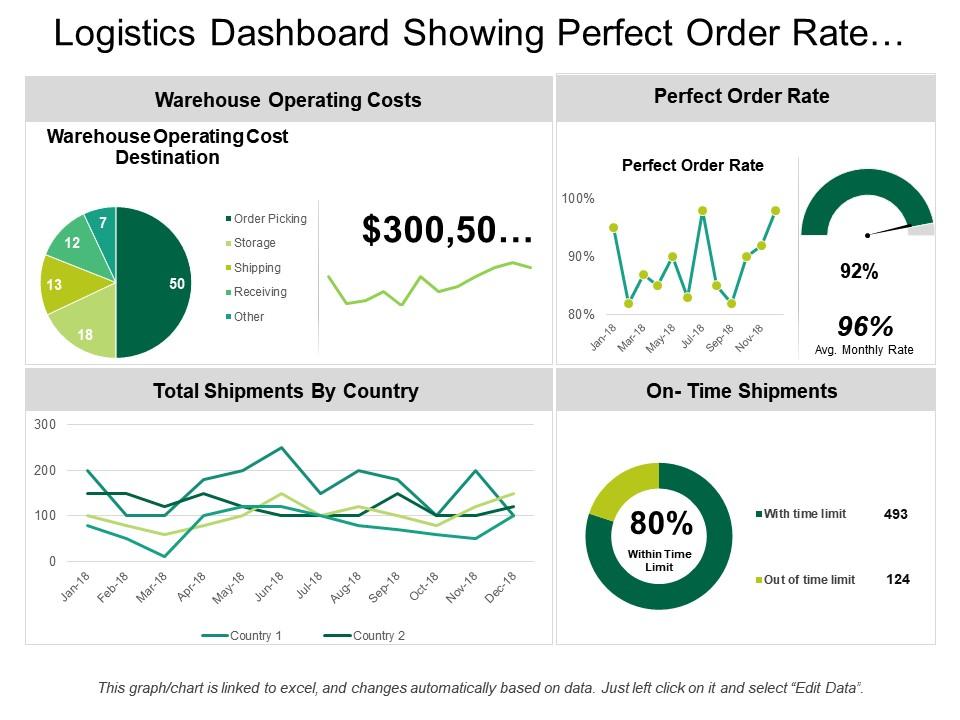
Data Analytics Dashboards
Advanced dashboards visualize material flow data in real time. They allow managers to:
- Monitor KPIs
- Identify inefficiencies
- Make informed decisions quickly
Applications of Material Flow Tracking
Manufacturing and Assembly Lines
In manufacturing, material flow tracking ensures smooth movement of components between production stages, reducing downtime and improving productivity.
Warehousing and Inventory Management
Tracking helps maintain accurate inventory records and prevents stockouts or overstocking, leading to better warehouse efficiency.
Supply Chain and Logistics Optimization
Material flow tracking enhances end-to-end supply chain visibility, enabling better coordination between suppliers, manufacturers, and distributors.
New Product Introduction and Ramp-Up Planning
During product launches, tracking helps identify inefficiencies in early production stages and ensures smooth scaling of operations.
Benefits of Material Flow Tracking
Increased Operational Visibility
Organizations gain a clear view of how materials move through the entire system, enabling better control and planning.
Reduced Delays and Waste
By identifying inefficiencies, companies can reduce waiting times, unnecessary movements, and material waste.
Improved Inventory and Resource Management
Accurate tracking ensures optimal inventory levels and better allocation of resources.
Data-Driven Decision-Making
Material flow tracking provides reliable data that supports strategic and operational decisions.
Common Challenges in Material Flow Tracking
Complex Material Paths
In large-scale operations, material flow can become highly complex, making tracking difficult without advanced systems.
Integration with Legacy Systems
Older systems may not support modern tracking technologies, creating integration challenges.
Data Accuracy and Reliability Issues
Inaccurate or incomplete data can lead to poor decision-making and reduced system effectiveness.
Best Practices for Effective Material Flow Tracking
Engage Cross-Functional Teams
Successful implementation requires collaboration between production, logistics, IT, and management teams.
Continuously Monitor and Update Tracking
Systems should be regularly updated to reflect changes in processes and technology.
Validate Data and Process Improvements
Regular validation ensures that tracking data remains accurate and improvements are effective.
Integrate Insights into Continuous Improvement Programs
Material flow tracking should be part of a broader continuous improvement strategy such as Lean or Six Sigma.
Conclusion
Material flow tracking is a critical component of modern industrial and supply chain systems. By providing real-time visibility, accurate data, and actionable insights, it enables organizations to significantly improve efficiency, reduce waste, and enhance decision-making.
For consulting firms like Avesta Consulting, implementing robust material flow tracking systems helps clients move toward smarter, more resilient, and highly optimized operations. As industries continue to evolve toward digital transformation, material flow tracking will remain a cornerstone of operational excellence.