In modern industries, achieving operational efficiency requires more than just static planning. Systems and processes often behave differently under real operating conditions, and static analysis may fail to capture transient behaviors, bottlenecks, or inefficiencies. Dynamic Flow Analysis (DFA) addresses this challenge by studying real-time system behavior and providing actionable insights to optimize performance, improve throughput, and enhance reliability.
Whether in manufacturing, chemical engineering, HVAC, logistics, or complex supply chains, DFA helps organizations understand not just what is happening, but why it is happening, allowing them to make data-driven decisions and prevent recurring operational issues.
What Is Dynamic Flow Analysis?

Definition of Dynamic Flow Analysis
Dynamic Flow Analysis is a methodology for studying and understanding the behavior of a system or process under real-time conditions. Unlike static analysis, which assumes steady-state operation, DFA considers time-dependent variations, transient effects, and interactions between system components. This approach is particularly valuable for identifying performance bottlenecks, inefficiencies, and potential failure points that only appear under dynamic operating conditions.
Key characteristics of DFA include:
- Real-time observation of flow rates, pressures, and process variables
- Capturing transient responses to changes in system inputs
- Modeling interactions between system components
- Supporting predictive and preventive decision-making
Difference Between Static and Dynamic Flow Analysis
Static Flow Analysis examines a system at steady-state conditions, assuming that variables such as flow rate, pressure, or temperature remain constant over time. It is suitable for baseline design or theoretical performance evaluation, but it often fails to detect time-dependent issues.
Dynamic Flow Analysis, by contrast:
- Accounts for time-varying conditions
- Captures transient behaviors like surges, spikes, or fluctuations
- Models interactions between subsystems under changing conditions
- Provides insights for optimization, reliability, and safety improvements
By capturing the system’s real behavior, DFA enables organizations to anticipate problems before they become critical.
Why It Is Important for Process and System Optimization
Dynamic Flow Analysis is crucial because many operational inefficiencies are time-dependent:
- Manufacturing lines may experience temporary bottlenecks during high-demand periods
- Chemical reactors can behave unpredictably during startup or shutdown
- HVAC systems may not maintain optimal conditions during load variations
- Logistics networks may face temporary congestion during peak shipments
Without DFA, organizations risk making decisions based on incomplete information, leading to higher costs, downtime, and safety risks. By understanding how systems respond dynamically, businesses can implement targeted interventions that enhance efficiency, reliability, and safety.
Key Principles of Dynamic Flow Analysis
Studying Real-Time System Behavior
DFA requires careful observation of system behavior under actual operating conditions. This includes:
- Flow patterns of liquids, gases, or materials
- Response times to input changes
- Interactions between subsystems
- Variations in environmental conditions or external loads
The goal is to identify deviations from expected performance and understand their causes.
Capturing Transient Effects and Variations
Transient effects are short-lived deviations from steady-state behavior, often missed by traditional analysis. Examples include:
- Pressure spikes in fluid pipelines
- Material surges in production lines
- Temperature fluctuations in chemical processes
Capturing these variations allows engineers to predict potential failures, bottlenecks, or inefficiencies.
Identifying Bottlenecks and Inefficiencies
Dynamic Flow Analysis focuses on identifying:
- Components that limit throughput
- Steps in the process that cause delays
- Areas where energy or materials are wasted
By pinpointing these areas, organizations can implement targeted improvements to maximize overall system performance.
Steps in Dynamic Flow Analysis
Step 1: Define System Boundaries and Objectives
Clearly define what system or process will be analyzed, including inputs, outputs, and operational constraints. Establish analysis objectives, such as improving throughput, reducing waste, or enhancing safety.
Step 2: Collect Relevant Process and Flow Data
Gather both historical and real-time data, including:
- Flow rates and pressure readings
- Temperature and energy usage
- Production cycle times
- Sensor and monitoring data
Accurate data collection is critical for building reliable dynamic models.
Step 3: Build a Dynamic Model or Simulation
Use simulation tools to create a digital representation of the system, incorporating time-dependent behaviors, interactions, and constraints. Modeling techniques may include:
- Computational Fluid Dynamics (CFD)
- Simulink for control systems
- Discrete event simulation
- Process mapping and workflow modeling
Step 4: Analyze Flow Behavior Under Different Conditions
Run the model to study:
- How the system responds to input variations
- Transient events and abnormal conditions
- Performance bottlenecks and inefficiencies
- Potential failure points or safety risks
This step reveals insights that are impossible to detect through static analysis alone.
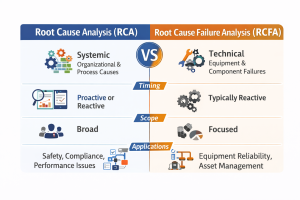
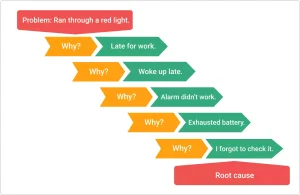
Step 5: Identify Root Causes of Inefficiencies
Once dynamic behaviors are understood, trace bottlenecks, delays, and failures back to their underlying causes. Common causes include:
- Design limitations
- Improper sequencing
- Equipment constraints
- Operational errors
Understanding root causes enables targeted corrective actions.
Step 6: Recommend Corrective or Optimization Actions
Develop practical solutions to address inefficiencies or risks:
- Adjust operational parameters
- Redesign or reconfigure equipment or process layout
- Improve control strategies
- Implement preventive maintenance or training
Follow-up monitoring ensures that changes are effective and sustainable.
Tools and Techniques for Dynamic Flow Analysis
Simulation Software
- CFD (Computational Fluid Dynamics): Models fluid flows and heat transfer
- Simulink: Simulates dynamic behavior of control systems
- Discrete event simulation tools: Models process flows and interactions
Flow Measurement Instruments
- Flow meters, pressure sensors, temperature probes
- Data loggers for continuous monitoring
- Real-time feedback systems
Data Analytics and Monitoring Dashboards
- Visualize trends and deviations
- Identify correlations and patterns
- Support predictive decision-making
Process Mapping and Modeling Techniques
- Workflow diagrams
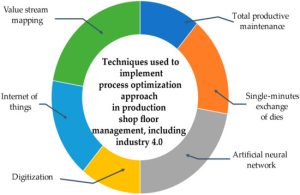
- Value stream mapping
- Time-based process modeling
These tools help translate dynamic system behavior into actionable insights.
Applications of Dynamic Flow Analysis
Manufacturing and Production Lines
- Optimizing assembly line throughput
- Reducing idle times and bottlenecks
- Enhancing material handling efficiency
Chemical and Process Engineering
- Monitoring reactors, distillation columns, and pipelines
- Improving energy efficiency
- Reducing waste and environmental risks
HVAC and Fluid Systems
- Optimizing airflow, heating, and cooling
- Detecting transient pressure and temperature deviations
- Enhancing comfort, safety, and energy efficiency
Supply Chain and Logistics Optimization
- Identifying transit bottlenecks
- Optimizing warehouse operations
- Improving order fulfillment speed and reliability
Benefits of Dynamic Flow Analysis
Improved System Efficiency and Throughput
- Identify and eliminate bottlenecks
- Optimize process flow and resource allocation
- Increase production or operational output
Reduced Downtime and Waste
- Detect potential failures before they occur
- Reduce scrap, rework, and material loss
- Minimize operational disruptions
Enhanced Safety and Reliability
- Monitor dynamic conditions that could lead to accidents
- Reduce operational risk
- Improve compliance with safety regulations
Data-Driven Decision-Making
- Support objective, evidence-based decisions
- Prioritize interventions based on real system behavior
- Enable continuous improvement initiatives
Common Challenges in Dynamic Flow Analysis
Complexity of Real-Time Data
Managing and interpreting large volumes of high-frequency data can be difficult and requires specialized tools and expertise.
Model Accuracy and Validation
Dynamic models must be validated against real-world observations. Inaccurate models can lead to misleading conclusions.
Integrating Results Into Operations
Recommendations must be translated into actionable operational changes, requiring collaboration between engineers, operators, and management.
Best Practices for Effective Dynamic Flow Analysis
Use Cross-Functional Teams
Involve engineers, operators, data analysts, and managers to ensure all perspectives are considered.
Validate Models with Real Data
Compare simulation results with real-world measurements to ensure accuracy.
Document Insights and Lessons Learned
Capture observations, failures, and corrective actions for future reference and continuous improvement.
Continuously Monitor and Refine Processes
Dynamic Flow Analysis is not a one-time activity; continuous monitoring ensures the system adapts to changing conditions and maintains optimal performance.
Conclusion
Dynamic Flow Analysis is an indispensable methodology for organizations seeking to optimize processes, improve system reliability, and drive operational excellence. By capturing real-time behaviors, transient effects, and bottlenecks, DFA allows organizations to make data-driven decisions, prevent inefficiencies, and enhance performance across diverse industries—from manufacturing and chemical processing to logistics and HVAC systems. Adopting best practices, leveraging modern simulation tools, and integrating DFA into ongoing operations ensures sustainable improvement and long-term operational success.
Image Alt Texts
- Diagram illustrating dynamic flow analysis workflow from data collection to optimization recommendations
- Visual representation of real-time system behavior analysis showing bottlenecks and flow inefficiencies