Hydraulic systems are widely used in industrial, marine, construction, aerospace, and manufacturing applications due to their ability to transmit high power with precision and reliability. From heavy machinery and offshore equipment to manufacturing automation and energy systems, hydraulic systems play a critical role in modern engineering.
However, poorly designed hydraulic systems often suffer from inefficiencies, excessive energy consumption, overheating, noise, leakage, and premature component failure. Effective hydraulic system design and optimization are essential to ensure performance, safety, durability, and cost efficiency throughout the system lifecycle.
This article explains the principles of hydraulic system design and optimization, explores key hydraulic system design considerations, discusses ways to improve hydraulic systems, reviews best practices in hydraulic pump design, and introduces design evaluation criteria used by professional engineers.
Fundamentals of Hydraulic System Design
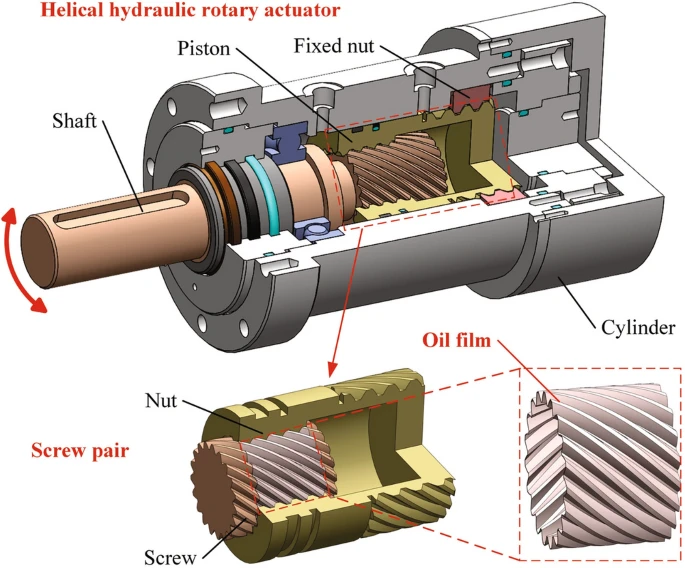
A hydraulic system uses pressurized fluid to generate, control, and transmit power. The core components typically include:
- Hydraulic pump
- Actuators (cylinders or motors)
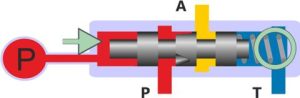
- Valves (directional, pressure, and flow control)
- Reservoir and filtration system
- Piping, hoses, and fittings
The primary objective of hydraulic system design is to deliver the required force and motion with maximum efficiency and reliability while minimizing energy losses and maintenance requirements.
Key design goals include:
- Accurate force and speed control
- Stable operation under varying loads
- Minimal pressure losses
- Safe operation under extreme conditions
Hydraulic System Design Considerations
Load and Performance Requirements
The first step in hydraulic system design is defining the load characteristics. Engineers must clearly understand:
- Required force or torque
- Operating speed and motion profile
- Duty cycle and operating hours
- Peak and continuous load conditions
Accurate load analysis prevents overdesign, which leads to unnecessary energy consumption and increased system cost.
Operating Pressure and Flow Rate
Selecting appropriate operating pressure and flow rate is fundamental. Higher pressure allows smaller components but increases stress, heat generation, and leakage risk. Lower pressure systems may require larger components and higher flow rates.
Designers must balance:
- Energy efficiency
- Component size
- Safety margins
Fluid Selection
Hydraulic fluid selection directly affects system performance and reliability. Design considerations include:
- Viscosity range
- Temperature stability
- Lubrication properties
- Compatibility with seals and materials
Improper fluid selection can lead to excessive wear, internal leakage, and system failure.
Thermal Management
Heat generation is one of the most common challenges in hydraulic systems. Designers must consider:
- Heat sources (pressure losses, inefficiencies)
- Cooling methods (air or liquid cooling)
- Ambient temperature conditions
Effective thermal management improves efficiency and extends component life.
Safety and Reliability
Hydraulic systems operate under high pressure, making safety a critical design consideration. Designers must incorporate:
- Pressure relief valves
- Redundant safety mechanisms
- Emergency shutdown systems
Compliance with international safety standards is essential in industrial and marine applications.
Principles of Hydraulic System Optimization
Hydraulic system optimization focuses on improving performance while reducing energy consumption and operating costs.
Minimizing Pressure Losses
Pressure losses occur due to friction, restrictions, and inefficient flow paths. Optimization strategies include:
- Proper pipe and hose sizing
- Minimizing unnecessary bends and fittings
- Using high-efficiency valves
Reducing pressure losses directly improves system efficiency.
Improving Control Strategies
Advanced control techniques significantly enhance hydraulic system performance. These include:
- Load-sensing systems
- Variable displacement pumps
- Proportional and servo valves
Smart control reduces energy waste during partial load operation.
Component Matching
Optimal performance depends on proper matching of pumps, actuators, and valves. Mismatched components lead to inefficiencies and unstable operation.
Engineers must ensure:
- Pump capacity matches system demand
- Actuator sizing meets load requirements
- Valve characteristics align with control needs
Ways to Improve Hydraulic Systems
Use Energy-Efficient Pumps
Replacing fixed-displacement pumps with variable-displacement or load-sensing pumps can significantly reduce energy consumption.
Reduce Leakage
Internal and external leakage reduces system efficiency and contaminates the environment. Improvements include:
- High-quality seals
- Precision manufacturing
- Proper maintenance practices
Optimize Maintenance Strategies
Predictive and condition-based maintenance improves system reliability. Monitoring pressure, temperature, and contamination levels helps detect issues early.
Integrate Digital Monitoring
Modern hydraulic systems increasingly use sensors and digital monitoring to optimize performance in real time. Data-driven optimization reduces downtime and operating costs.
Best Practices in Hydraulic Pump Design
Hydraulic pumps are the heart of any hydraulic system. Proper pump design and selection are essential for overall system efficiency.
Pump Type Selection
Common pump types include:
- Gear pumps
- Vane pumps
- Axial piston pumps
- Radial piston pumps
Each type has advantages depending on pressure range, efficiency, and application requirements.
Efficiency and Power Density
High-efficiency pump design minimizes internal losses and heat generation. Engineers must evaluate:
- Volumetric efficiency
- Mechanical efficiency
- Overall system efficiency
Noise and Vibration Reduction
Noise is often a sign of inefficiency or cavitation. Proper pump design includes:
- Optimized internal geometry
- Proper inlet conditions
- Vibration isolation
Cavitation Prevention
Cavitation damages pump components and reduces performance. Designers must ensure:
- Adequate inlet pressure
- Proper fluid viscosity
- Correct reservoir design
Design Evaluation Criteria for Hydraulic Systems
To assess hydraulic system performance, engineers apply specific design evaluation criteria.
Performance Criteria
- Ability to meet load and speed requirements
- Stability under varying operating conditions
Efficiency Criteria
- Energy consumption
- Heat generation
- Pressure loss levels
Reliability and Durability
- Component life expectancy
- Resistance to wear and contamination
- Maintenance frequency
Safety and Compliance
- Adherence to industry standards
- Risk of leakage or failure
- Emergency protection mechanisms
Cost and Lifecycle Analysis
Design evaluation must consider not only initial cost but also operating and maintenance expenses throughout the system lifecycle.
Applications of Optimized Hydraulic Systems
Optimized hydraulic systems are essential in:
- Industrial manufacturing and automation
- Marine and offshore equipment
- Construction machinery
- Aerospace ground systems
- Renewable energy installations
In each application, efficient design directly impacts productivity and operational reliability.
Role of Engineering Consulting in Hydraulic System Design
Professional engineering consulting firms like Avesta Consulting support clients by:
- Performing system analysis and optimization
- Selecting appropriate components and control strategies
- Reducing energy consumption and downtime
- Ensuring compliance with safety and performance standards
Expert-led design improves long-term project success and return on investment.
Frequently Asked Questions (FAQ)
What are the main principles of hydraulic system design?
Key principles include accurate load analysis, proper component selection, pressure and flow optimization, thermal management, and safety integration.
What are the best ways to improve hydraulic systems?
Improvement strategies include reducing pressure losses, using energy-efficient pumps, optimizing control systems, and implementing predictive maintenance.
What are the most important hydraulic system design considerations?
Critical considerations include operating pressure, flow rate, fluid selection, temperature control, reliability, and safety.
What is the best hydraulic pump design?
The best pump design depends on the application. Variable displacement piston pumps are often preferred for high-efficiency and variable-load systems.
How are hydraulic systems evaluated?
Hydraulic systems are evaluated based on performance, efficiency, reliability, safety, and lifecycle cost criteria.
Conclusion
The principles of hydraulic system design and optimization are fundamental to achieving efficient, reliable, and safe engineering solutions. By carefully considering system requirements, selecting the right components, and applying advanced optimization techniques, engineers can significantly improve hydraulic system performance and reduce operating costs.
As industries demand higher efficiency and sustainability, optimized hydraulic systems will continue to play a vital role. With expert engineering support, organizations can ensure their hydraulic systems deliver long-term value and operational excellence.