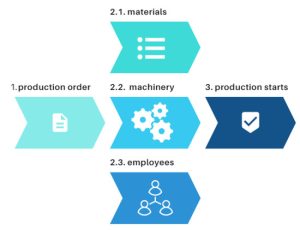
In today’s competitive manufacturing and supply chain environment, efficiency is more than just reducing costs—it’s about ensuring smooth product movement, minimizing delays, and maximizing throughput across the entire value chain. Product Flow Analysis (PFA) is a structured methodology that allows organizations to track, evaluate, and optimize the movement of products from production to final delivery. By focusing on the flow of goods rather than just processes or tasks, PFA provides actionable insights to improve operational efficiency, reduce waste, and enhance overall supply chain performance.
Whether you are managing a complex production line, a large warehouse, or a multi-stage logistics network, understanding product flow is critical to making data-driven decisions, implementing process improvements, and maintaining a competitive edge.
What Is Product Flow Analysis?
Definition of Product Flow Analysis
Product Flow Analysis is a systematic approach to monitoring and evaluating the movement of products through all stages of production, storage, and distribution. The goal is to identify bottlenecks, delays, and inefficiencies that prevent products from reaching customers efficiently.
Key elements of product flow analysis include:
- Tracking product movement across all stages of the value chain
- Measuring inventory levels, cycle times, and throughput
- Identifying delays, constraints, and areas for improvement
- Mapping product paths visually to detect inefficiencies
Unlike general process analysis, which focuses on tasks or procedures, product flow analysis centers on the product itself—how it moves, where it stalls, and what factors impede its progress.
Difference Between Product Flow and Process Flow
While product flow and process flow are related, they are not the same:
- Process Flow: Focuses on tasks, procedures, and steps that workers or machines perform. Example: The sequence of operations to assemble a part.
- Product Flow: Focuses on the actual movement of the product through the value chain. Example: How a product moves from raw material to finished goods and eventually to the customer.
Product flow analysis captures physical movement, inventory handling, and distribution efficiency, making it more tangible and actionable for operations and logistics optimization.
Why It Is Important for Manufacturing and Supply Chain Optimization

Organizations that fail to understand product flow often face:
- Excessive inventory and holding costs
- Delays in order fulfillment
- Inefficient resource allocation
- Increased production downtime
Product Flow Analysis helps companies align production schedules, warehouse operations, and logistics to ensure products move smoothly and efficiently. It also provides a basis for continuous improvement initiatives, allowing managers to optimize throughput, reduce lead times, and improve customer satisfaction.
Key Principles of Product Flow Analysis
Tracking Movement of Products Through the Value Chain
The first principle of product flow analysis is visibility. Every product should be tracked from raw material to finished product and through storage and distribution channels. Visibility allows managers to identify delays, bottlenecks, and non-value-added activities in the flow.
Identifying Bottlenecks and Delays
Bottlenecks are points in the value chain where capacity or efficiency is limited, causing slowdowns or backups. Product flow analysis highlights these problem areas by measuring cycle times, queue lengths, and throughput rates.
Improving Throughput and Efficiency
Once bottlenecks are identified, corrective measures can be implemented. These may include:
- Redistributing workload
- Adjusting inventory levels
- Streamlining material handling
- Implementing automation
The ultimate goal is to maximize the speed and efficiency of product movement while minimizing waste.
Steps in Product Flow Analysis
Step 1: Define Product Categories and Process Stages
Before analysis begins, it’s essential to categorize products and define the stages of the production and distribution process. This may include:
- Raw material handling
- Component assembly
- Packaging
- Warehousing
- Transportation and delivery
A clear framework allows consistent tracking and comparison across products and facilities.
Step 2: Collect Data on Product Movement and Inventory
Gather quantitative and qualitative data on how products move through each stage, including:
- Production cycle times
- Inventory levels at each stage
- Lead times and transit times
- Storage and handling delays
- Equipment or human resource constraints
Reliable data is essential for an accurate and meaningful analysis.
Step 3: Map the Product Flow Visually
Creating a visual representation of product flow helps identify inefficiencies quickly. Tools may include:
- Flowcharts
- Value stream maps
- Swimlane diagrams
- Digital dashboards
Visualization provides a clear overview of the product journey and highlights areas for improvement.
Step 4: Analyze Flow Efficiency and Identify Gaps
With the flow mapped, analyze:
- Where products experience delays or stalls
- Where inventory accumulates unnecessarily
- Steps that do not add value
- Discrepancies between planned and actual flow
This step helps pinpoint the root causes of inefficiencies in the product flow.
Step 5: Recommend Corrective Actions or Process Improvements
Based on the analysis, develop actionable recommendations to optimize flow, such as:
- Redesigning production layouts
- Improving material handling procedures
- Implementing automation or robotics
- Adjusting inventory policies
The goal is to remove bottlenecks and improve overall throughput.
Tools and Techniques for Product Flow Analysis
Process Mapping Software
Digital tools allow companies to visualize product flow, create simulation models, and track progress in real time.
Inventory Tracking Systems
Automated inventory systems provide data on stock levels, movement, and turnover, helping managers monitor product flow efficiently.
Lean Manufacturing Techniques
Techniques such as Just-In-Time (JIT), Kanban, and 5S help reduce waste, streamline flow, and improve throughput.
Simulation and Modeling Tools
Simulation tools can model different flow scenarios, helping managers predict bottlenecks and evaluate potential improvements before implementation.
Applications of Product Flow Analysis
Manufacturing Production Lines
- Identify delays in assembly lines
- Optimize workstation layout
- Reduce idle times and material handling issues
Supply Chain and Logistics Optimization
- Streamline warehouse operations
- Improve transportation efficiency
- Reduce delivery lead times
Distribution Centers and Warehouses
- Optimize storage and retrieval systems
- Improve material handling workflows
- Minimize congestion and bottlenecks
New Product Introduction Planning
- Map flow for new products before launch
- Identify potential issues in supply chain
- Reduce delays and inefficiencies during rollout
Benefits of Product Flow Analysis
Increased Operational Efficiency
- Faster production cycles
- Reduced idle time
- Better coordination between departments
Reduced Waste and Delays
- Minimized scrap and rework
- Reduced inventory holding costs
- Shorter lead times
Better Inventory Management
- Accurate stock levels
- Optimized replenishment policies
- Reduced stockouts or overstock situations
Data-Driven Decision Making
- Decisions based on actual product flow data
- Improved planning and forecasting
- Evidence-based continuous improvement initiatives
Common Challenges in Product Flow AnalysisIncomplete or Inaccurate Data
Lack of reliable data can lead to incorrect conclusions, reducing the effectiveness of improvements.
Complex Product Paths
Products that pass through multiple stages, departments, or locations may be difficult to track accurately.
Resistance to Process Changes
Implementing recommendations often requires organizational buy-in, training, and change management.
Best Practices for Effective Product Flow Analysis
Use Cross-Functional Teams
Include representatives from production, logistics, quality, and IT to ensure a holistic understanding of product movement.
Continuously Monitor and Update Product Flows
Product flow is dynamic. Regular monitoring ensures that improvements are sustained and adjusted as needed.
Validate Findings with Real Data
Compare flow models and recommendations with actual performance data to ensure accuracy and effectiveness.
Integrate Insights Into Continuous Improvement Programs
Use product flow insights to drive lean initiatives, process redesigns, and operational excellence programs, creating a culture of ongoing improvement.
Conclusion
Product Flow Analysis is a powerful tool for optimizing manufacturing and supply chain operations. By focusing on the actual movement of products rather than just tasks or processes, organizations can identify bottlenecks, reduce waste, improve efficiency, and make data-driven decisions. Implementing PFA with the right tools, cross-functional collaboration, and continuous monitoring allows companies to maximize throughput, enhance customer satisfaction, and maintain a competitive edge in today’s fast-paced operational environment.