The engineering industry thrives on precision, innovation, and planning — and your business should be no different. Whether you’re launching a civil engineering consultancy, a mechanical design firm, or a green energy solutions company, a comprehensive business plan is essential.
In this blog, you’ll find a full engineering business plan example, along with expert tips to create your own. This guide is designed for startups, consultants, or small firms looking to attract clients, secure funding, or map their growth.
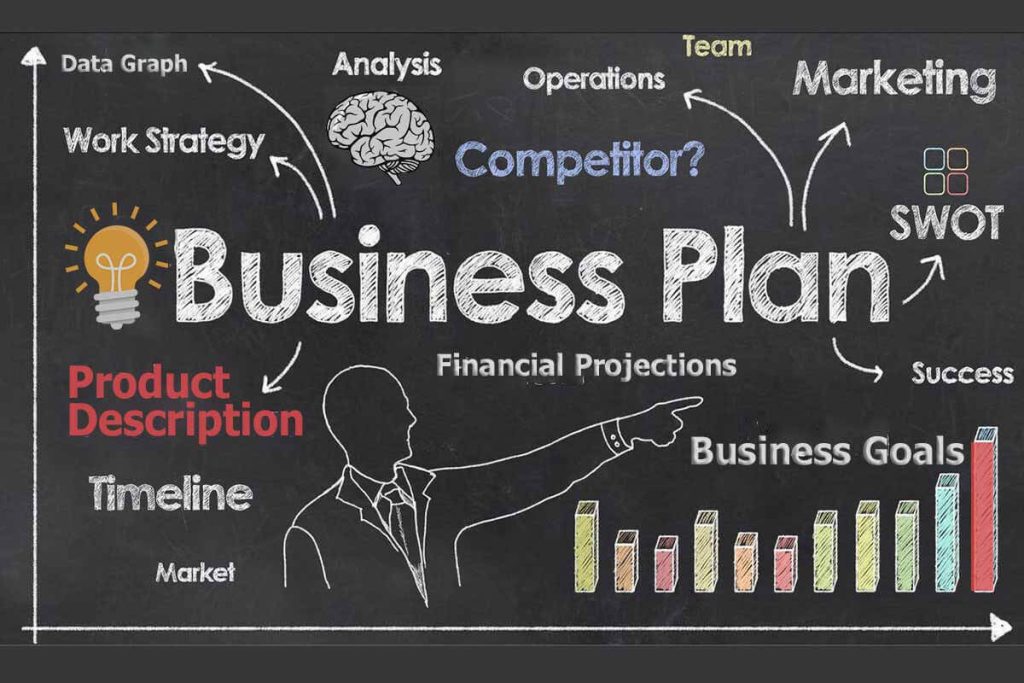
What Should an Engineering Business Plan Include?
Your engineering business plan should include:
-
Executive Summary
-
Company Overview
-
Services Offered
-
Market Analysis
-
Competitive Advantage
-
Operational Plan
-
Management & Team
-
Marketing & Sales Strategy
-
Financial Projections
-
Appendix
Now, let’s walk through a real-world example.
Business Plan Example: Apex Engineering Solutions
1. Executive Summary
Apex Engineering Solutions is a mechanical and industrial design firm based in Austin, Texas. Founded by MIT graduates, the company specializes in helping manufacturing and robotics companies prototype, simulate, and optimize new machinery and production systems.
We are currently seeking $150,000 in seed capital to fund the purchase of simulation software, secure office space, and hire two junior engineers. With projected revenue of $420,000 in year one and a break-even point within 16 months, Apex aims to serve 50+ clients in the first 24 months.
2. Company Overview
-
Name: Apex Engineering Solutions
-
Founded: 2025
-
Location: Austin, Texas
-
Legal Structure: LLC
-
Mission Statement:
“To empower innovation in the industrial sector through precise engineering, reliable simulations, and cost-effective prototyping.”
Vision:
To become the go-to engineering partner for small-to-mid manufacturing firms in Texas by 2030.
3. Services Offered
Apex Engineering Solutions provides the following services:
| Service | Description |
|---|---|
| CAD Modeling & Prototyping | Creation of 3D mechanical models using SolidWorks and AutoCAD |
| Finite Element Analysis (FEA) | Stress testing and optimization of components |
| Process Optimization Consulting | Improving factory workflows and machinery performance |
| Technical Documentation | Standards-compliant manuals and assembly guides |
4. Market Analysis
The U.S. mechanical engineering services industry is valued at $42 billion and growing steadily at 4.3% annually. Our initial target market is Texas-based manufacturing firms with 10–500 employees in sectors like robotics, automotive components, and food processing.
Target Audience:
-
Operations managers and engineering leads in mid-sized manufacturing plants
-
Robotics startups needing prototype testing
-
Government RFP projects
SWOT Analysis
| Strengths | Weaknesses |
|---|---|
| High technical expertise | New market entrant |
| Strategic location | Limited brand recognition |
| Agile team | Limited portfolio |
| Opportunities | Threats |
|---|---|
| Growing demand for local consulting | Larger firms offering bundled services |
| Automation trend in manufacturing | Economic slowdowns reducing client budgets |
5. Competitive Advantage
What sets Apex apart:
-
Fast turnaround using cloud simulation tools
-
Direct founder involvement in every project
-
Lower overheads, enabling affordable pricing
-
Sustainability-centric designs to help clients meet ESG goals
6. Operational Plan
-
Startup Phase (Month 1–3): Register business, lease office, set up tools, hire two engineers
-
Growth Phase (Month 4–12): Onboard 10+ clients, build initial case studies, attend trade shows
-
Scaling Phase (Year 2): Expand into renewable engineering services and hire project managers
Facilities & Equipment:
-
Downtown co-working industrial space
-
High-performance laptops with engineering software
-
3D printer for rapid prototyping
7. Management & Team
-
Co-founder/CEO: Dr. Alex Carter — PhD in Mechanical Engineering, 12 years in robotics consulting
-
Co-founder/CTO: Jamie Lin — Systems Engineer, formerly with Tesla’s production team
-
Advisory Board:
-
CFO of a Texas-based robotics startup
-
Former MIT professor (controls systems)
-
8. Marketing & Sales Strategy
Apex will attract leads through both digital and relationship-driven strategies:
Marketing Tactics:
-
SEO-optimized blog content on topics like FEA, CAD tips, etc.
-
LinkedIn campaigns targeting engineering managers
-
Webinars and whitepapers offering design insights
-
Tradeshow participation and speaking engagements
Sales Process:
-
5-step funnel: Website inquiry → Discovery Call → Proposal → Technical Call → Contract
-
Follow-up via email drip campaigns and value-add content
9. Financial Projections
Year 1 Forecast:
| Metric | Amount |
|---|---|
| Revenue | $420,000 |
| Cost of Goods Sold | $110,000 |
| Gross Profit | $310,000 |
| Operational Expenses | $275,000 |
| Net Profit | $35,000 |
Funding Request:
We are seeking $150,000, allocated as follows:
-
$60,000 – Software & Equipment
-
$50,000 – Salaries
-
$25,000 – Marketing
-
$15,000 – Legal & Admin
10. Appendix
-
Sample CAD drawings
-
Detailed competitor benchmarking
-
Customer testimonials from pilot projects
-
Certifications (PE License, OSHA)
Tips for Writing Your Own Engineering Business Plan
-
Use clear technical language, but explain terms investors may not know.
-
Include visuals — flowcharts, tables, equipment photos help explain complex services.
-
Be realistic about timelines and costs. Don’t over-promise growth or under-budget expenses.
-
Show traction if possible — even 1-2 pilot clients or a prototype gives you an edge.
-
Highlight certifications — especially PE licenses or ISO/QMS credentials.
Get Started with Your Own Plan
You don’t need to reinvent the wheel. Use the Apex Engineering Solutions business plan example as a starting point and customize it to fit your specialty — whether it’s electrical, structural, or software engineering.
Need help refining your financials or marketing strategy? Avestaconsulting.com offers personalized business plan consulting, especially for technical founders and B2B startups.
Final Thoughts
The engineering world doesn’t wait — and neither should you. Whether you’re seeking funding, clients, or simply clarity, a structured, strategic business plan is your launchpad.
Start smart, scale fast, and engineer your future — one plan at a time.