
In today’s complex and competitive business environment, large enterprises face unique challenges that require meticulous planning and strategic foresight. A well-crafted business plan serves as a roadmap, guiding organizations through market fluctuations, technological advancements, and evolving consumer demands. This comprehensive guide delves into the critical components of a business plan tailored for large enterprises, offering insights into strategic planning, financial forecasting, risk management, and more.
Why Large Enterprises Need Tailored Business Plans
While startups often focus on survival and initial growth, large enterprises must navigate sustaining market leadership, managing extensive operations, and driving innovation. A tailored business plan helps in:
- Strategic Alignment: Ensuring all departments and units work towards common organizational goals.
- Resource Optimization: Allocating resources efficiently across various projects and departments.
- Risk Management: Identifying potential risks and developing mitigation strategies.
- Stakeholder Communication: Providing a clear vision and strategy to investors, board members, and employees.
Core Elements of a Corporate Business Plan
A comprehensive business plan for large enterprises typically includes the following sections:
Executive Summary
A concise overview highlighting the company’s mission, vision, strategic objectives, and key financial metrics. It sets the tone for the detailed plan and captures the interest of stakeholders.
Company Description
An in-depth look at the company’s history, structure, core values, and market positioning. This section outlines the enterprise’s unique value proposition and competitive advantages.
Market Analysis
A thorough examination of the industry landscape, including:
- Market Trends: Current and projected trends affecting the industry.
- Target Audience: Detailed profiles of customer segments.
- Competitive Analysis: Evaluation of competitors’ strengths and weaknesses.
Organizational Structure
An outline of the company’s organizational hierarchy, detailing:
- Leadership Team: Backgrounds and roles of key executives.
- Departments and Divisions: Functions and interrelations.
- Corporate Governance: Policies and procedures guiding operations.
Products and Services
A comprehensive description of the company’s offerings, including:
- Product Lines: Features, benefits, and lifecycle stages.
- Service Offerings: Scope, delivery methods, and customer support.
- Innovation Pipeline: Upcoming products or services in development.
Marketing and Sales Strategy
Strategies to promote and sell products or services, encompassing:
- Brand Positioning: Messaging and market perception.
- Marketing Channels: Digital, traditional, and experiential marketing tactics.
- Sales Processes: Sales funnel, customer acquisition, and retention strategies.
Financial Projections
Detailed financial forecasts, including:
- Revenue Projections: Expected income streams over a defined period.
- Expense Budgets: Operational and capital expenditures.
- Profit and Loss Statements: Anticipated profitability.
- Cash Flow Analysis: Inflows and outflows to ensure liquidity.
Risk Assessment and Mitigation
Identification of potential risks and corresponding mitigation plans, such as:
- Market Risks: Economic downturns, changing consumer preferences.
- Operational Risks: Supply chain disruptions, technological failures.
- Compliance Risks: Regulatory changes, legal challenges.
Appendices
Supplementary materials supporting the business plan, including:
- Detailed Financial Statements
- Market Research Data
- Organizational Charts
- Legal Documents
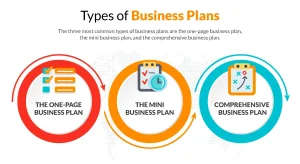
Strategic Planning for Global Operations
For multinational enterprises, strategic planning must account for:
- Cultural Differences: Adapting strategies to diverse cultural norms and consumer behaviors.
- Regulatory Compliance: Navigating varying legal and regulatory environments.
- Supply Chain Management: Coordinating logistics across multiple countries.
- Currency Fluctuations: Managing financial risks associated with exchange rate volatility.
Implementing frameworks like OGSM (Objectives, Goals, Strategies, Measures) can help align global operations with overarching corporate objectives.
Financial Forecasting for Multinational Firms
Accurate financial forecasting is vital for large enterprises to make informed decisions. Key considerations include:
- Consolidated Financial Statements: Aggregating financial data from various subsidiaries.
- Scenario Analysis: Evaluating financial outcomes under different market conditions.
- Investment Appraisal: Assessing the viability of large-scale projects.
- Capital Allocation: Prioritizing investments to maximize returns.
Utilizing advanced financial modeling tools and engaging in regular financial reviews can enhance forecasting accuracy.
Mitigating Risks in Enterprise Planning
Risk management is integral to sustaining long-term success. Strategies include:
- Enterprise Risk Management (ERM): A holistic approach to identifying and managing risks.
- Business Continuity Planning: Preparing for disruptions to maintain operations.
- Compliance Programs: Ensuring adherence to laws and regulations.
- Insurance Coverage: Protecting against unforeseen losses.
Regular risk assessments and updates to mitigation strategies ensure resilience against emerging threats.
Real-World Examples of Corporate Success
Examining successful enterprises provides valuable insights:
- Apple Inc.: Emphasizes innovation and design, leading to a loyal customer base and premium pricing strategy.
- Toyota Motor Corporation: Implements lean manufacturing and continuous improvement (Kaizen) to enhance efficiency.
- Amazon.com, Inc.: Focuses on customer-centricity and technological innovation to dominate e-commerce.
These companies demonstrate the importance of aligning business plans with core competencies and market demands.
How Consulting Enhances Business Plans
Engaging with business consultants offers several advantages:
- Expertise: Access to specialized knowledge and industry best practices.
- Objective Analysis: Unbiased evaluation of business strategies and operations.
- Customized Solutions: Tailored recommendations to address specific challenges.
- Change Management: Assistance in implementing and managing organizational changes.
Consultants can facilitate strategic planning sessions, conduct market research, and develop performance improvement plans.
Conclusion
Developing a comprehensive business plan is crucial for large enterprises aiming to maintain competitiveness and achieve sustainable growth. By addressing strategic alignment, financial forecasting, risk management, and leveraging expert insights, organizations can navigate complex business landscapes effectively. Regularly updating the business plan ensures it remains relevant and responsive to changing market conditions.