In modern manufacturing, efficiency is no longer optional—it is the difference between growth and stagnation. Companies invest heavily in automation, machinery, and workforce training, yet many still struggle with delays, bottlenecks, and unnecessary costs.
The root cause? Poor visibility and control over how materials move through production.
This is where Material Flow Analysis (MFA) becomes a game-changer.
If you want to reduce costs, improve throughput, and gain full control over your operations, understanding and applying material flow analysis is essential.
What Is Material Flow Analysis in Manufacturing?
Definition of material flow analysis
Material Flow Analysis (MFA) is a structured method used to track, analyze, and optimize the movement of raw materials, components, and finished goods within a manufacturing system.
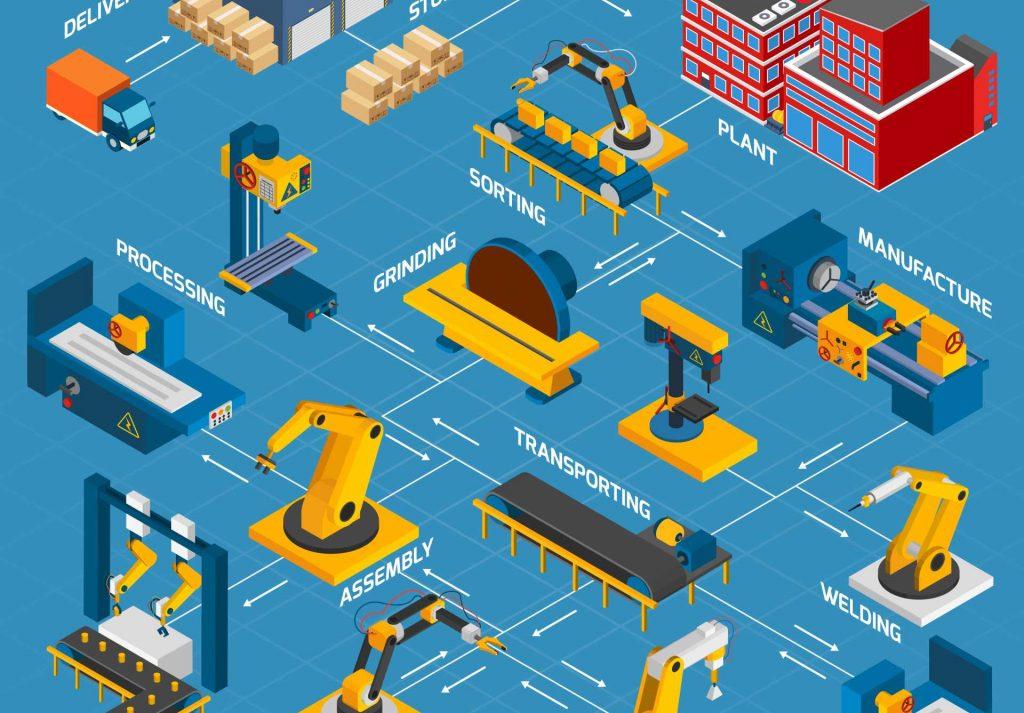
It provides a clear, data-driven view of how materials move through every stage—from receiving and storage to production and final delivery.
Rather than guessing where inefficiencies occur, MFA allows manufacturers to visualize and quantify flow patterns, making it easier to identify problems and implement improvements.
Importance for production efficiency
In manufacturing, time equals money. Every delay, unnecessary movement, or excess inventory directly impacts profitability.
Material flow analysis helps companies:
- Eliminate bottlenecks
- Reduce idle time
- Improve production speed
- Optimize resource utilization
- Lower operational costs
Without proper analysis, materials may pile up in one area while another part of the process starves—leading to inefficiencies that silently reduce performance.
Difference between material flow and product flow
Although often used interchangeably, material flow and product flow are not the same:
- Material flow refers to the movement of raw materials and intermediate components within the production process.
- Product flow focuses on the movement of finished goods toward customers or distribution centers.
Understanding this distinction is critical because inefficiencies often originate before the final product stage, during material handling and transformation.
Key Principles of Material Flow Analysis
Mapping material movement through manufacturing processes
The first principle of MFA is visibility.
You cannot optimize what you cannot see.
Mapping material flow involves documenting every step materials take, including:
- Storage locations
- Transport paths
- Processing stages
- Waiting points
This creates a complete picture of the production system.
Identifying bottlenecks and delays
Bottlenecks are points in the process where flow is restricted.
They often result in:
- Long queues
- Idle machines
- Delayed production cycles
Material flow analysis helps pinpoint these constraints so they can be addressed systematically.

Minimizing waste and idle time
Waste in manufacturing is not just scrap—it includes:
- Excess movement
- Waiting time
- Overproduction
- Unnecessary inventory
MFA aligns closely with lean manufacturing by targeting all forms of waste and eliminating them.
Aligning material flow with production demand
Efficient manufacturing requires synchronization between material availability and production demand.
Too much inventory leads to high holding costs, while too little causes delays.
Material flow analysis ensures that materials arrive exactly when needed, supporting just-in-time production strategies.
Steps in Material Flow Analysis for Manufacturing
Step 1: Collect data on material movements
Accurate data is the foundation of effective analysis.
This includes:
- Material quantities
- Movement frequency
- Processing times
- Storage durations
Data can be collected manually or through digital systems such as ERP or IoT sensors.
Step 2: Map material flows visually
Visual tools like flowcharts, spaghetti diagrams, and value stream maps help illustrate how materials move through the system.
These visualizations make it easier to identify inefficiencies that might not be obvious in raw data.
Step 3: Identify inefficiencies and bottlenecks
Once the flow is mapped, the next step is to analyze it.
Look for:
- Congested areas
- Long waiting times
- Redundant movements
- Imbalanced workloads
These are clear indicators of inefficiencies.
Step 4: Develop corrective and improvement actions
After identifying problems, solutions must be designed.
Common improvements include:
- Reorganizing layouts
- Adjusting workflows
- Automating material handling
- Implementing pull systems
Step 5: Implement changes and monitor results
Implementation should be done carefully, with continuous monitoring to ensure improvements deliver expected results.
KPIs such as throughput, cycle time, and inventory levels should be tracked.
Step 6: Continuous improvement and feedback
Material flow analysis is not a one-time activity.
Manufacturing environments are dynamic, and processes must evolve continuously.
Regular reviews and updates ensure sustained efficiency.
Tools and Techniques for Material Flow Analysis
Process mapping software
Digital tools enable accurate visualization and analysis of material flows.
These tools help create dynamic models that can be adjusted in real-time, improving decision-making.
Lean manufacturing tools (Kanban, 5S, Kaizen)
Lean methodologies play a vital role in optimizing material flow:
- Kanban controls inventory and production flow
- 5S improves workplace organization
- Kaizen promotes continuous improvement
Together, they enhance efficiency and reduce waste.
Simulation and modeling tools
Simulation tools allow manufacturers to test different scenarios without disrupting actual operations.
They can:
- Predict bottlenecks
- Optimize layouts
- Improve resource allocation
This is especially valuable for complex systems.
Real-time monitoring dashboards
Modern manufacturing relies on real-time data.
Dashboards provide instant visibility into:
- Material movement
- Inventory levels
- Production status
This enables quick decision-making and proactive problem-solving.
Applications of Material Flow Analysis
Assembly lines and production processes
MFA helps optimize assembly lines by ensuring smooth material delivery and minimizing disruptions.
Warehousing and inventory management
Efficient storage and retrieval systems are critical for maintaining flow.
Material flow analysis improves warehouse layout and inventory control.
Logistics and supply chain coordination
Beyond the factory floor, MFA supports better coordination across the supply chain, reducing delays and improving delivery performance.
New product introduction and ramp-up
Launching a new product often disrupts existing workflows.
Material flow analysis ensures a smooth transition by identifying potential issues in advance.
Benefits of Material Flow Analysis
Increased operational efficiency and throughput
By eliminating bottlenecks and optimizing processes, MFA significantly improves production speed.
Reduced operational costs and waste
Less waste means lower costs and higher profitability.
Better inventory and resource management
Optimized material flow ensures the right resources are available at the right time.
Data-driven decision-making
MFA replaces guesswork with data, enabling more accurate and strategic decisions.
Common Challenges in Manufacturing Material Flow Analysis
Complex and dynamic production processes
Modern manufacturing systems are highly complex, making analysis challenging.
Inaccurate or incomplete data
Poor data quality can lead to incorrect conclusions and ineffective solutions.
Resistance to process change
Employees and management may resist changes, even when improvements are clear.
Effective communication and training are essential to overcome this barrier.
Best Practices for Effective Material Flow Analysis
Engage cross-functional teams
Collaboration between departments ensures a comprehensive understanding of the process.
Validate improvements with real data
Always measure results to confirm that changes are effective.
Continuously monitor and update flows
Regular monitoring ensures that processes remain efficient over time.
Integrate findings into continuous improvement programs
Material flow analysis should be part of a broader strategy for operational excellence.
Conclusion
Material Flow Analysis is not just a technical exercise—it is a strategic tool that transforms manufacturing performance.
By providing visibility, eliminating inefficiencies, and enabling data-driven decisions, it empowers companies to operate faster, leaner, and more profitably.
For organizations looking to stay competitive in today’s demanding industrial landscape, investing in material flow analysis is no longer optional—it is essential.
Frequently Asked Questions
What is material flow analysis used for?
Material flow analysis is used to improve efficiency, reduce waste, and optimize production processes in manufacturing.
What tools are used for material flow analysis?
Common tools include simulation software, process mapping tools, and real-time monitoring systems.
Why is material flow important in manufacturing?
Because inefficient material movement leads to delays, higher costs, and reduced productivity.