Pressure vessels are critical components in industries ranging from chemical processing to power generation. Ensuring their safe and efficient operation requires thorough design verification, a multi-step process that evaluates whether a pressure vessel can withstand its intended operating conditions. This article explores the essential aspects of pressure vessel design verification, including engineering analysis, testing methods, compliance standards, and real-world case studies.
Key Steps in the Verification Process
The verification process is a structured approach to confirm that a pressure vessel meets design requirements and regulatory standards. Key steps include:
-
Reviewing Design Specifications
- Collecting all relevant data such as operating pressure, temperature, material properties, and design codes.
- Ensuring the design calculations align with standards like ASME Boiler & Pressure Vessel Code, EN 13445, or local regulations.
-
Structural Analysis
- Assessing the vessel’s geometry and wall thickness.
- Identifying stress concentration points and potential weak spots.
-
Material Verification
- Confirming that materials used meet mechanical, chemical, and thermal requirements.
- Conducting material testing to detect defects, impurities, or inconsistencies.
-
Finite Element Analysis (FEA)
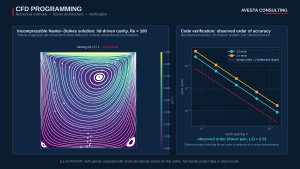
- Simulating pressure, thermal, and mechanical loads to predict structural behavior.
- Detecting areas prone to fatigue, buckling, or rupture.
-
Prototype Testing
- Performing hydrostatic and pneumatic tests to validate design assumptions.
- Using non-destructive examination (NDE) techniques to detect cracks, corrosion, or welding defects.
-
Documentation Review and Approval
- Ensuring all calculations, drawings, and test results are fully documented.
- Final approval from qualified engineers or certifying authorities.
Role of FEA in Verification
Finite Element Analysis (FEA) is a cornerstone of modern pressure vessel design verification. By breaking down complex geometries into smaller elements, engineers can:
- Predict stress distribution under various operating conditions.
- Evaluate the effects of thermal expansion and internal pressure.
- Optimize wall thickness to balance safety and cost-efficiency.
- Simulate fatigue life to anticipate potential failures over time.
FEA reduces the reliance on physical prototypes, saving time and resources while improving safety margins.
Hydrostatic Testing and NDE Methods
After theoretical verification, practical testing ensures the vessel can withstand real-world conditions. Two primary methods are used:
Hydrostatic Testing
- The vessel is filled with water and pressurized above its operating limit.
- Detects leaks, structural weaknesses, and manufacturing defects.
- Provides assurance that the vessel can handle maximum design pressure safely.
Non-Destructive Examination (NDE)
- Techniques like radiography, ultrasonic testing, and dye penetrant inspections reveal hidden defects without damaging the vessel.
- Ensures weld integrity and material soundness.
- Supports long-term safety by identifying potential failure points early.
Regional Compliance: Australia vs US vs EU
Pressure vessel regulations differ across regions, affecting design, testing, and certification requirements:
| Region | Key Standards | Notes |
| Australia | AS 1210 | Focuses on risk-based design, mandatory certification by accredited bodies. |
| United States | ASME Section VIII | Emphasizes detailed design calculations, periodic inspection requirements. |
| European Union | EN 13445 | Requires CE marking, safety assessment, and conformity with EU directives. |
Engineers must understand these differences to ensure international compliance and avoid costly redesigns or legal issues.
Case Study: Preventing Failures Through Verification
In one industrial case, a chemical storage vessel experienced early fatigue cracks due to high thermal cycling. The verification process included:
- FEA simulation to identify stress hotspots.
- Hydrostatic testing at 1.5× design pressure.
- Ultrasonic inspection of weld seams.
Outcome: The verification process revealed critical weak points before vessel deployment, preventing catastrophic failure and ensuring regulatory compliance.
Differences Between Verification and Certification
Many confuse verification with certification:
- Verification ensures the vessel is designed and tested correctly. It is primarily an engineering assessment.
- Certification is a formal acknowledgment from a regulatory body confirming compliance with standards.
While verification is performed by the design team, certification usually involves independent authorities. Both are essential for safe operation.
Why Independent Verification Adds Value

Independent verification enhances reliability and credibility:
- Offers an unbiased review of design assumptions and calculations.
- Identifies hidden risks overlooked during in-house verification.
- Provides legal protection and compliance assurance for manufacturers and operators.
- Builds stakeholder confidence, including investors and clients.
Independent verification is increasingly a requirement for high-risk industries such as nuclear, oil and gas, and chemical processing.
Conclusion
Pressure vessel design verification is a comprehensive process that combines theoretical analysis, practical testing, and regulatory compliance. From FEA simulations to hydrostatic testing, every step is crucial to ensure safety, reliability, and efficiency. Engineers and students studying pressure systems must master these techniques to contribute to safer industrial operations.
By understanding the regional differences, the role of independent verification, and the importance of thorough testing, professionals can prevent failures, reduce operational risks, and comply with international standards.