Pressure vessels are among the most critical components in industrial systems. They are responsible for storing, processing, and transporting liquids and gases under high pressure—making their design and operation essential for safety, efficiency, and regulatory compliance. Whether used in chemical plants, oil and gas facilities, power generation systems, or food processing units, pressure vessels play a foundational role in modern industrial operations.
This comprehensive guide explains everything you need to know about pressure vessel design: key principles, materials, standards, design calculations, safety considerations, challenges, and best practices.
What Is Pressure Vessel Design?
Definition of Pressure Vessels
A pressure vessel is a closed container designed to hold gases or liquids at a pressure substantially different from the ambient pressure. These vessels must withstand internal or external pressure loads without deforming, rupturing, or posing safety risks.
Common examples include:
- Boilers
- Reactors
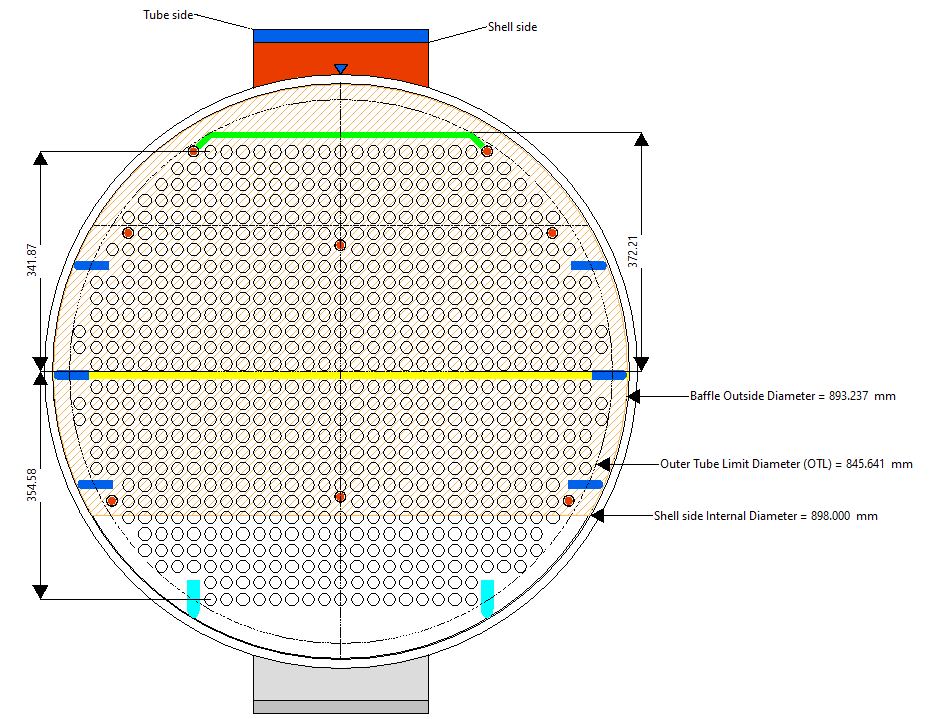
- Heat exchangers
- Storage cylinders
- Air receivers
- Autoclaves
Pressure vessels are designed with precise engineering calculations to ensure structural integrity throughout their lifecycle—including fabrication, operation, and maintenance.
Importance of Proper Design for Safety and Efficiency
Proper pressure vessel design is vital for several reasons:
1. Safety
Failure of a pressure vessel can lead to catastrophic consequences including explosions, fire, toxic leaks, or mass casualties. Robust design prevents:
- Over-pressurization
- Cracking
- Fatigue failure
- Rupture under temperature fluctuations
2. Operational Efficiency
A well-designed vessel maintains stable pressure and temperature, which:
- Improves process efficiency
- Reduces energy losses
- Extends equipment lifespan
- Minimizes downtime
3. Compliance
Regulatory adherence is mandatory. Non-compliance with ASME, ISO, or PED standards can lead to:
- Shutdowns
- Fines
- Operational restrictions
- Increased liability
Difference Between Pressure Vessels and Storage Tanks
Although both store fluids, pressure vessels and storage tanks serve different purposes:
| Feature | Pressure Vessels | Storage Tanks |
|---|---|---|
| Designed For | High pressure or vacuum conditions | Atmospheric or low pressure |
| Structure | Thick-walled, reinforced | Thinner walls |
| Safety Codes | Strict standards (ASME, PED) | Less stringent |
| Cost | Higher | Lower |
| Applications | Boilers, reactors | Water, fuel, or chemical storage |
In short, pressure vessels are engineered for demanding conditions, while storage tanks handle ambient scenarios.
Key Principles of Pressure Vessel Design
Material Selection and Compatibility
Choosing the right material is one of the most crucial design decisions. Engineers consider:
- Operating pressure and temperature
- Corrosion resistance
- Mechanical strength
- Weldability
- Fatigue performance
- Cost and availability
Common materials include:
- Carbon steel
- Stainless steel
- Nickel alloys
- Aluminum
- Composite materials
Materials must also resist chemicals in the vessel to prevent corrosion or contamination.
Pressure and Temperature Considerations
Pressure vessels operate under a range of internal and external pressures. Designers must evaluate:
- Maximum allowable working pressure (MAWP)
- Design pressure (DP)
- Temperature gradients
- Thermal expansion
- External environmental conditions
Incorrect design pressure calculations can lead to serious safety hazards.
Safety Factors and Design Codes
Safety factors account for uncertainties in:
- Material properties
- Loading conditions
- Manufacturing defects
Codes such as ASME BPVC Section VIII specify minimum safety factors and design methodologies to ensure safe operation.
Corrosion and Fatigue Analysis
Corrosion weakens vessel walls over time, while fatigue results from repeated pressure cycles.
Engineers perform:
- Corrosion allowance calculations
- Fatigue life predictions
- Stress concentration analysis
- Ultrasonic and visual inspections
Protective coatings, cathodic protection, and material selection help mitigate degradation.
Design Standards and Codes
ASME Boiler and Pressure Vessel Code (BPVC)
ASME BPVC is the most widely used design code globally. It includes:
- Design formulas
- Testing requirements
- Material specifications
- Quality assurance protocols
Section VIII covers pressure vessel design, fabrication, and inspection.
European Pressure Equipment Directive (PED)
PED (2014/68/EU) governs pressure equipment in Europe. It defines:
- Hazard categories
- Conformity assessments
- CE marking requirements
- Material approvals
PED ensures safe operation of vessels within the EU.
ISO Standards for Pressure Vessels
ISO standards provide international guidelines for:
- Material testing
- Non-destructive evaluation (NDE)
- Manufacturing
- Welding procedures
ISO 16528 is a key document covering general pressure equipment principles.
Types of Pressure Vessels
Cylindrical Vessels
These are the most common type due to:
- Simple manufacturing
- Uniform stress distribution
- Cost-effectiveness
Often used in heat exchangers and storage cylinders.
Spherical Vessels
Spherical vessels offer:
- Most uniform stress distribution
- Highest pressure resistance
They are ideal for storing high-pressure gases such as LPG or ammonia.
Horizontal vs Vertical Vessels
- Horizontal vessels are easier to transport and maintain stability.
- Vertical vessels save floor space and are used for separation processes.
Composite and Specialty Designs
Composite pressure vessels use carbon fiber, glass fiber, or Kevlar for:
- Lightweight construction
- High strength
- Corrosion resistance
Used in aerospace, medical, and high-pressure gas cylinders.
Design Calculations and Methodologies
Wall Thickness Calculation
Wall thickness depends on:
- Design pressure
- Material strength
- Weld joint efficiency
- Corrosion allowance
Formulas from ASME or EN codes determine the required thickness for safety.
Stress and Strain Analysis
Engineers analyze:
- Hoop stress
- Longitudinal stress
- Radial stress
This ensures the vessel can withstand combined loads without failure.
Finite Element Analysis (FEA)
FEA simulates:
- Thermal stress
- Vibration
- Pressure distribution
- Structural deformation
This advanced method is used for complex or non-standard designs.
Burst Pressure and Safety Margin Determination
Burst pressure defines the maximum pressure a vessel can tolerate before failure. Engineers calculate:
- Safety margins
- Testing conditions
- Failure modes
Hydrostatic testing validates these calculations.
Materials and Fabrication
Common Metals and Alloys
Typical materials:
- Carbon steels (cost-effective, strong)
- Stainless steels (corrosion-resistant)
- Nickel alloys (high-temperature applications)
- Aluminum (lightweight applications)
Welding and Joining Techniques
Welding must comply with:
- ASME Section IX
- ISO 9606
- Qualified weld procedures (WPS / PQR)
Techniques include:
- TIG
- MIG
- SAW
- SMAW
Proper welding prevents cracks and leaks.
Heat Treatment and Surface Protection
Post-weld heat treatment (PWHT) reduces:
- Residual stress
- Brittleness
- Risk of cracking
Surface protection includes:
- Painting
- Galvanizing
- Chemical passivation
- Protective coatings
Quality Control During Fabrication
Quality control steps include:
- NDE (ultrasonic, radiographic testing)
- Pressure testing
- Material certification
- Dimensional inspection
These steps ensure full compliance with design specifications.
Safety Considerations in Design
Overpressure Protection
Overpressure can occur due to:
- Blocked valves
- Thermal expansion
- Chemical reactions
- Equipment malfunction
Design includes fail-safe mechanisms.
Relief Valves and Safety Devices
Pressure relief devices include:
- Spring-loaded relief valves
- Rupture discs
- Safety interlocks
They prevent catastrophic failure by releasing excess pressure.
Inspection and Maintenance Planning
Inspection ensures:
- Crack detection
- Corrosion monitoring
- Weld integrity checking
Scheduled maintenance increases vessel lifespan and prevents unplanned shutdowns.
Applications of Pressure Vessels
Chemical and Petrochemical Industries
Used in:
- Reactors
- Distillation towers
- Heat exchangers
- Storage vessels
Power Generation Plants
Pressure vessels support:
- Steam generation
- Turbine operation
- Boiler feedwater systems
Oil and Gas Facilities
Applications include:
- Separators
- Dehydrators
- Gas storage spheres
- Offshore processing units
Food and Beverage Processing
Used in:
- Sterilizers
- Batch reactors
- Fermenters
- High-pressure pasteurization units
Common Challenges in Pressure Vessel Design
Managing Extreme Pressure and Temperature Conditions
Operating in harsh environments increases risks such as:
- Thermal shock
- Material creep
- Fatigue cracking
Compliance with Multiple International Codes
Global projects require compliance with:
- ASME
- PED
- ISO
- API
Harmonizing these standards can be complex.
Balancing Cost, Safety, and Efficiency
Engineers must optimize:
- Material cost
- Fabrication complexity
- Safety margins
- Operational performance
Best Practices for Effective Design
Use Simulation and Modeling Tools
Modern tools such as:
- AutoCAD
- SolidWorks
- ANSYS
- COMSOL
enhance accuracy and reduce design cycles.
Conduct Thorough Material and Stress Analysis
Stress analysis identifies:
- Critical stress points
- Potential failure zones
- Need for reinforcement rings or stiffeners
Follow Established Design Codes
Codes ensure:
- Standardization
- Safety
- Risk reduction
- Legal compliance
Engage Cross-Disciplinary Engineering Teams
Collaboration between:
- Mechanical engineers
- Materials experts
- Process engineers
- Safety teams
ensures safe and optimized designs.
CONCLUSION
Pressure vessel design is a critical engineering discipline that ensures safe, efficient, and compliant operation of equipment across industries. From selecting the right materials to performing advanced stress analysis and adhering to global standards like ASME and PED, every step of the design process plays a vital role.
Organizations that follow best practices—such as simulation, cross-disciplinary collaboration, and strict adherence to design codes—can significantly improve safety, operational performance, and long-term reliability.
For industries seeking professional engineering support, Avesta Consulting provides comprehensive pressure vessel design services, ensuring compliance, accuracy, and optimized performance tailored to each client’s operational requirements.