Organizations that operate complex systems—whether in manufacturing, oil and gas, utilities, healthcare, or infrastructure—must constantly manage risk, failure, and uncertainty. Two of the most widely used methodologies for this purpose are Root Cause Analysis (RCA) and Failure Mode and Effects Analysis (FMEA).
Although both methods aim to improve reliability and reduce failures, they are fundamentally different in purpose, timing, and application. Confusing RCA with FMEA can lead to poor investigations, ineffective risk controls, and repeated operational issues.
This article provides a clear, structured explanation of the difference between root cause analysis and FMEA, explains when each method should be used, how they complement each other, and how organizations can integrate both into a comprehensive quality and reliability strategy.
Difference Between Root Cause Analysis and FMEA
Before comparing the two methods in depth, it is essential to understand what each one is designed to do.
Definition of Root Cause Analysis (RCA)
Root Cause Analysis (RCA) is a structured, reactive problem-solving methodology used to identify the underlying causes of an incident, failure, or undesired outcome after it has already occurred.
The primary goal of RCA is to:
- Understand why an incident happened
- Identify systemic weaknesses
- Prevent recurrence through corrective actions
RCA focuses on learning from past events to improve future performance.
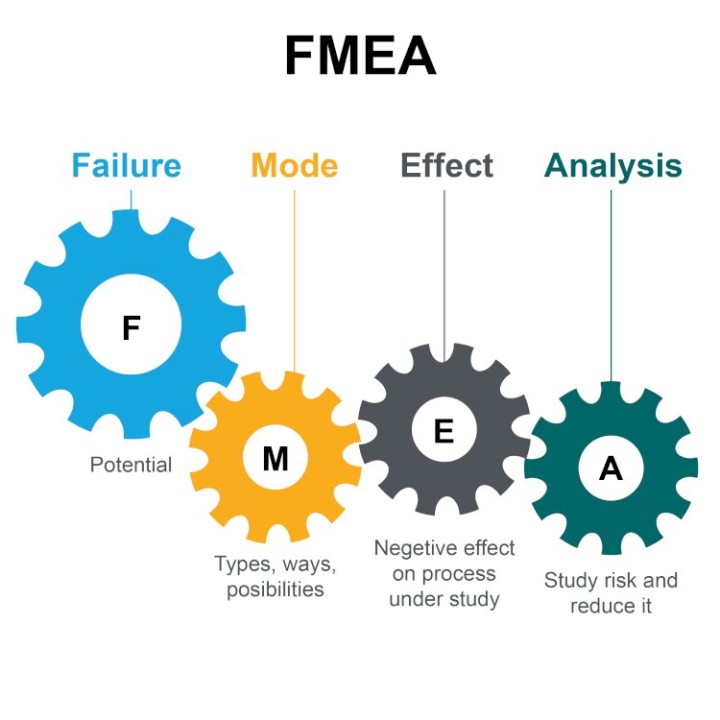
Definition of Failure Mode and Effects Analysis (FMEA)
Failure Mode and Effects Analysis (FMEA) is a proactive risk assessment methodology used to identify potential failure modes in a system, process, or product before failures occur.
FMEA aims to:
- Anticipate how things could fail
- Evaluate the impact of each failure
- Prioritize risks
- Implement preventive controls
Unlike RCA, FMEA focuses on preventing failures before they happen.
Why These Two Methods Are Often Confused
RCA and FMEA are often confused because:
- Both deal with failures and risk
- Both use structured analysis techniques
- Both support reliability and safety objectives
However, the key distinction lies in timing and intent:
- RCA investigates what went wrong
- FMEA anticipates what could go wrong
Understanding this difference is critical for effective application.
What Is Root Cause Analysis?
Root Cause Analysis is primarily a reactive investigative tool.
Reactive Problem Investigation Approach
RCA is initiated after an incident or failure occurs, such as:
- Equipment breakdown
- Safety incident
- Quality defect
- Environmental release
The investigation begins with a real event and works backward to uncover contributing and root causes.
Identifying Underlying Systemic Causes
Effective RCA goes beyond surface-level explanations. Instead of stopping at:
- “Component failure”
- “Human error”
- “Procedure not followed”
RCA asks deeper questions to identify:
- Design weaknesses
- Inadequate procedures
- Poor training systems
- Ineffective supervision
- Organizational or cultural issues
True root causes are systemic and controllable, not individual mistakes.
Preventing Recurrence of Incidents
The ultimate objective of RCA is long-term prevention. Corrective actions typically involve:
- Process improvements
- Design changes
- Updated procedures
- Training system enhancements
- Improved controls and oversight
A successful RCA ensures the same incident does not reoccur in another form.
What Is FMEA?
Failure Mode and Effects Analysis is a proactive planning and risk management tool.
Proactive Risk Assessment Methodology
FMEA is conducted before failures occur, typically during:
- Design phases
- Process development
- System modifications
- New equipment installation
It helps organizations think ahead rather than react afterward.
Identifying Potential Failure Modes
In FMEA, teams systematically identify:
- How a component or process could fail
- What could cause that failure
- What the consequences would be
These potential failures are called failure modes, even if they have never occurred before.
Evaluating Severity, Occurrence, and Detection
Each failure mode is evaluated based on:
- Severity – impact of the failure
- Occurrence – likelihood of failure
- Detection – ability to detect the failure before impact
These factors are used to prioritize risks and focus preventive efforts where they matter most.
Key Differences Between RCA and FMEA
Although RCA and FMEA share a common goal—improving reliability—their approaches differ significantly.
Reactive vs Proactive Approach
- RCA is reactive and event-driven
- FMEA is proactive and predictive
RCA learns from past failures, while FMEA anticipates future ones.
Timing of Implementation
- RCA is performed after an incident occurs
- FMEA is performed before design, launch, or change
Timing determines whether the organization is responding to damage or preventing it.
Scope of Analysis
RCA typically focuses on:
- A specific incident or failure
- Its contributing and root causes
FMEA examines:
- Entire systems or processes
- Multiple potential failure modes
FMEA has a broader scope but less depth per event.
Output and Documentation Differences
RCA produces:
- Root cause statements
- Corrective and preventive actions
- Lessons learned
FMEA produces:
- Risk rankings
- Preventive controls
- Design or process improvements
Both outputs serve different decision-making needs.
When to Use Root Cause Analysis
RCA is essential when learning from real events is required.
After Equipment Failure
RCA should be conducted when:
- Critical equipment fails
- Downtime is significant
- Failure mechanisms are unclear
Understanding why the failure occurred prevents repeat breakdowns.
Following Safety or Compliance Incidents
RCA is often mandatory after:
- Injuries or near-misses
- Environmental incidents
- Regulatory non-compliance
Regulators frequently require formal RCA documentation.
Investigating Recurring Operational Problems
If the same issue keeps happening despite repairs, RCA is necessary to identify systemic weaknesses rather than treating symptoms.
When to Use FMEA
FMEA is most effective when risk prevention is the priority.
During Design and Development Phases
FMEA helps designers:
- Identify weak points early
- Improve robustness
- Reduce lifecycle costs
Design-stage prevention is far cheaper than post-failure correction.
Before Launching New Processes
New processes introduce uncertainty. FMEA allows organizations to:
- Anticipate operational risks
- Implement controls early
- Improve process stability
For Risk Prioritization and Prevention
FMEA helps organizations allocate resources effectively by focusing on high-risk failure modes rather than reacting to every possible issue.
Can RCA and FMEA Be Used Together?
Yes—high-performing organizations use both methods together.
Using RCA Findings to Update FMEA
Actual failures uncovered through RCA provide valuable input for:
- Updating existing FMEAs
- Validating assumptions
- Improving risk rankings
This creates a feedback loop between real-world experience and proactive planning.
Integrating Corrective and Preventive Actions
- RCA drives corrective actions
- FMEA drives preventive actions
When combined, organizations address both current issues and future risks.
Building a Comprehensive Reliability Strategy
Together, RCA and FMEA support:
- Continuous improvement
- Reliability growth
- Risk-informed decision-making
They form the backbone of mature reliability programs.
Advantages and Limitations of RCA and FMEA
Each method has strengths and constraints.
Strengths of Root Cause Analysis
RCA excels at:
- Learning from real failures
- Identifying systemic issues
- Driving meaningful corrective actions
- Supporting compliance and audits
Strengths of FMEA
FMEA is powerful for:
- Proactive risk identification
- Design and process improvement
- Preventing failures before they occur
- Prioritizing resources
Common Limitations of Each Method
RCA limitations:
- Reactive by nature
- Depends on data quality
- Can be time-consuming
FMEA limitations:
- Relies on assumptions
- May miss unknown failure modes
- Requires regular updates
Using both methods together mitigates these weaknesses.
Choosing the Right Method for Your Organization
Selecting RCA or FMEA depends on context and objectives.
Industry and Regulatory Considerations
- Highly regulated industries require formal RCA
- Design-driven industries rely heavily on FMEA
- Asset-intensive sectors benefit from both
Industry standards often dictate methodology selection.
Risk Level and Impact Assessment
High-risk systems require:
- Proactive FMEA
- Reactive RCA when failures occur
Risk severity should guide analytical depth.
Integration Into Quality and Reliability Programs
Best-in-class organizations integrate RCA and FMEA into:
- Quality management systems
- Reliability programs
- Asset management strategies
Integration ensures continuous learning and improvement.
Final Thoughts: RCA and FMEA Are Complementary, Not Competing
The difference between root cause analysis and FMEA is not about which method is better—it is about using the right tool at the right time.
- RCA explains why failures happened
- FMEA prevents failures from happening
Organizations that understand and integrate both approaches move from reactive problem-solving to proactive reliability leadership.