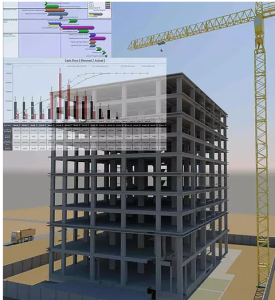
Material Flow Optimisation: A Complete Guide for Manufacturing & Supply Chain Efficiency
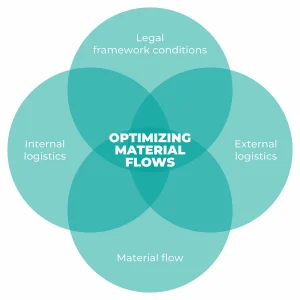
Efficient material movement is the backbone of any high-performing manufacturing or supply chain system. When materials move smoothly, production becomes faster, costs drop, and businesses can maintain consistent quality. Material Flow optimization (MFO) has therefore become one of the most critical improvement disciplines in modern manufacturing, logistics, and warehousing environments.
ASME Tank Design: A Complete Guide for Oil & Gas Applications
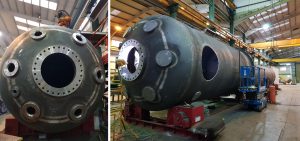
What Is ASME Tank Design? Definition of ASME Tanks ASME tanks are pressure vessels designed, manufactured, and inspected according to the American Society of Mechanical Engineers (ASME) Boiler and Pressure Vessel Code (BPVC). These tanks are engineered to safely store gases, vapors, or liquids under internal or external pressure. In
Design of Pressure Vessels: A Complete Guide for Engineers and Industrial Decision-Makers
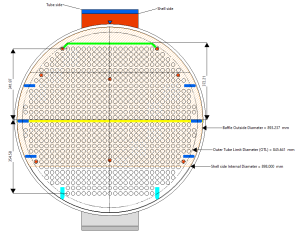
Pressure vessels are among the most critical components in industrial systems. They are responsible for storing, processing, and transporting liquids and gases under high pressure—making their design and operation essential for safety, efficiency, and regulatory compliance. Whether used in chemical plants, oil and gas facilities, power generation systems, or food
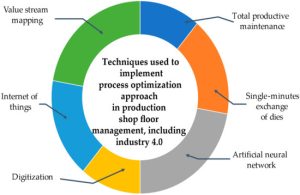
Product Flow Analysis: Optimizing Movement from Production to Delivery
In today’s competitive manufacturing and supply chain environment, efficiency is more than just reducing costs—it’s about ensuring smooth product movement, minimizing delays, and maximizing throughput across the entire value chain. Product Flow Analysis (PFA) is a structured methodology that allows organizations to track, evaluate, and optimize the movement of products
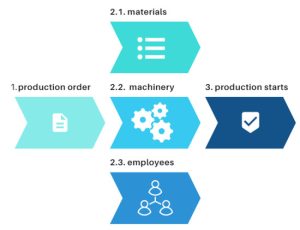
Dynamic Flow Analysis: Optimizing Systems and Processes in Real Time
In modern industries, achieving operational efficiency requires more than just static planning. Systems and processes often behave differently under real operating conditions, and static analysis may fail to capture transient behaviors, bottlenecks, or inefficiencies. Dynamic Flow Analysis (DFA) addresses this challenge by studying real-time system behavior and providing actionable insights
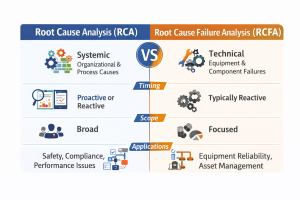
RCA vs RCFA: Understanding the Key Differences and Choosing the Right Approach
In today’s complex operational environments, failures rarely occur in isolation. Equipment breakdowns, safety incidents, quality deviations, and organizational underperformance are often symptoms of deeper issues embedded within systems, processes, and decision-making structures. To prevent recurrence and improve performance, organizations rely on structured problem-solving methodologies—two of the most commonly used are