Day: June 8, 2026

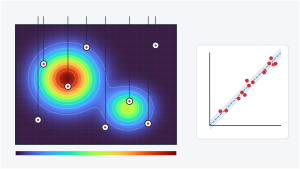
Engineering heat transfer simulation model illustrating thermal gradients in industrial equipment

Thermal Conduction Simulation in Engineering Systems: Methods, Models, and Industrial Applications

Thermal conduction is one of the most fundamental physical phenomena in engineering, governing how heat moves through solid materials. In industrial applications—especially in metals, composites, electronics, energy systems, and manufacturing processes—understanding conduction alone is not enough. Engineers need to simulate, predict, and optimize heat transfer behavior before physical prototypes are

Read More
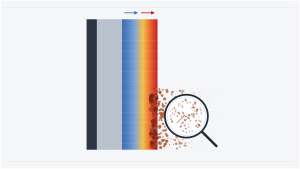
Industrial thermal conduction analysis showing heat transfer through a metal wall in engineering simulation software

Thermal Conduction: Principles, Applications, and Engineering Importance

Heat transfer is one of the most important concepts in engineering, industrial operations, manufacturing, and daily life. Among the three primary modes of heat transfer — conduction, convection, and radiation — thermal conduction is often considered the most fundamental because it occurs through direct molecular interaction between materials. Whether engineers

Read More
Engineering diagram showing heat conduction through solid metal materials with temperature gradient visualization

Heat Transfer in Solids: Principles, Methods and Engineering Applications

Heat transfer in solids is one of the most important concepts in engineering, manufacturing, energy systems, and industrial design. Whether engineers are designing a furnace lining, evaluating a pressure vessel, improving electronic cooling, or optimizing thermal insulation, understanding how heat moves through solid materials is critical to safety, efficiency, and

Read More

Heat Transfer in Gases: Engineering Principles, Industrial Applications, and Future Technologies

manufacturing, power generation, HVAC systems, chemical processing, and thermal equipment design. Whether engineers are optimizing a combustion chamber, designing a heat exchanger, analyzing airflow in industrial furnaces, or improving energy efficiency in process plants, understanding how heat moves through gases is fundamental to achieving reliable and cost-effective engineering solutions. In

Read More
Engineering diagram showing conduction, convection, and radiation heat transfer mechanisms in industrial systems.

Heat Transfer Physics in Engineering: Principles, Applications, and Thermal Design

Heat transfer physics is one of the most important foundations of engineering and industrial design. From power generation plants and heavy manufacturing equipment to electronics cooling systems and building insulation, the movement of thermal energy affects efficiency, safety, durability, and operating costs. In industrial environments, uncontrolled heat transfer can lead

Read More